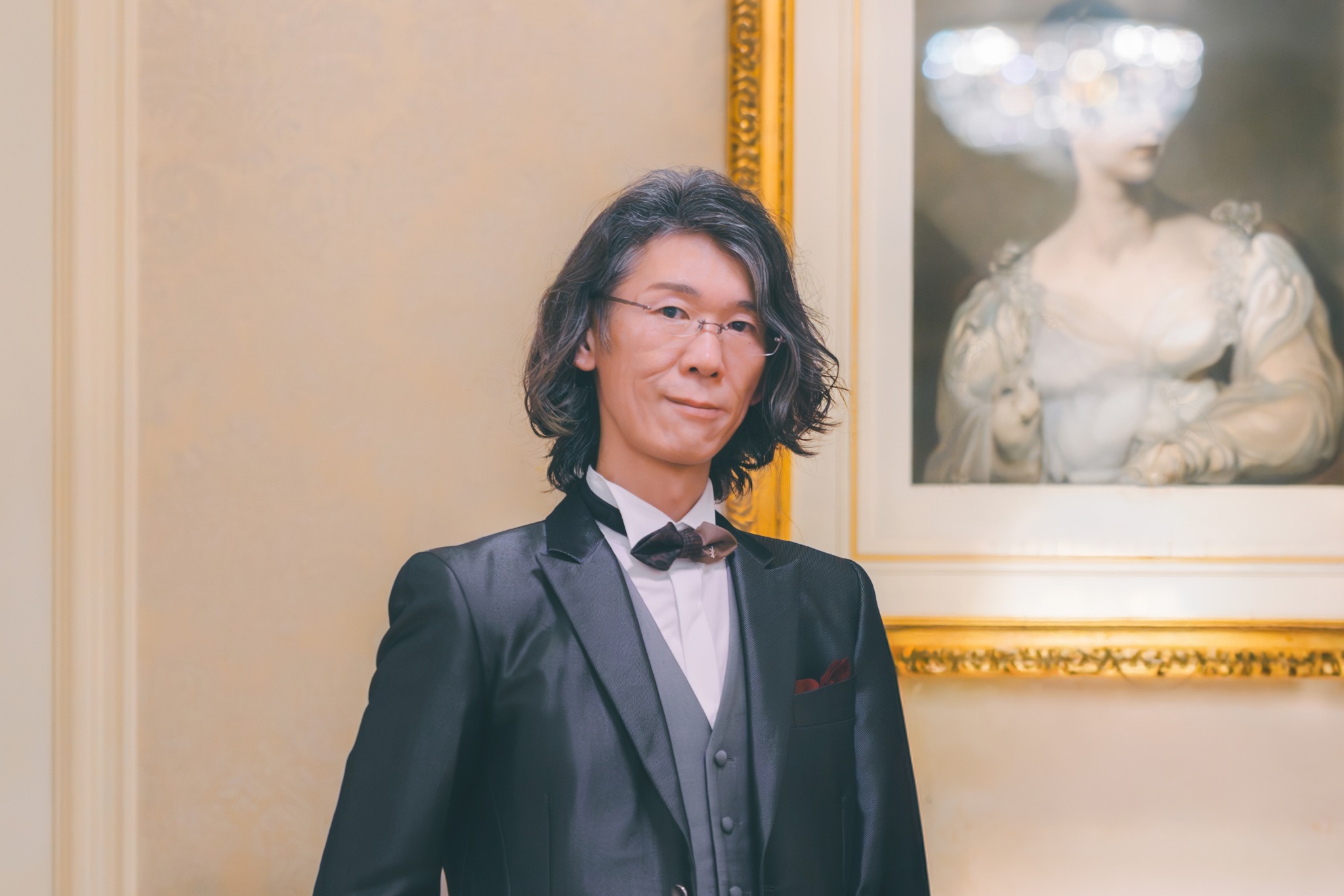
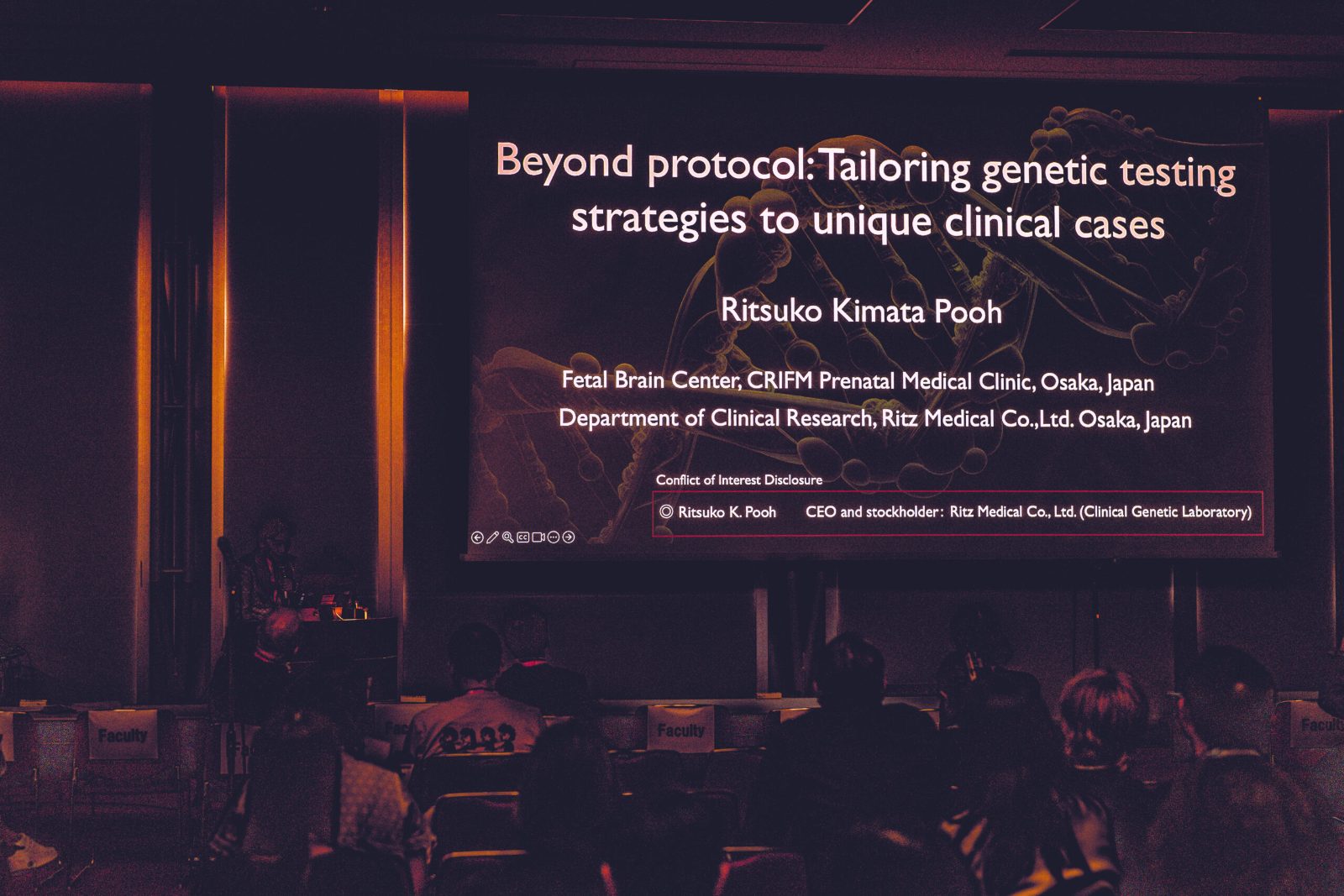
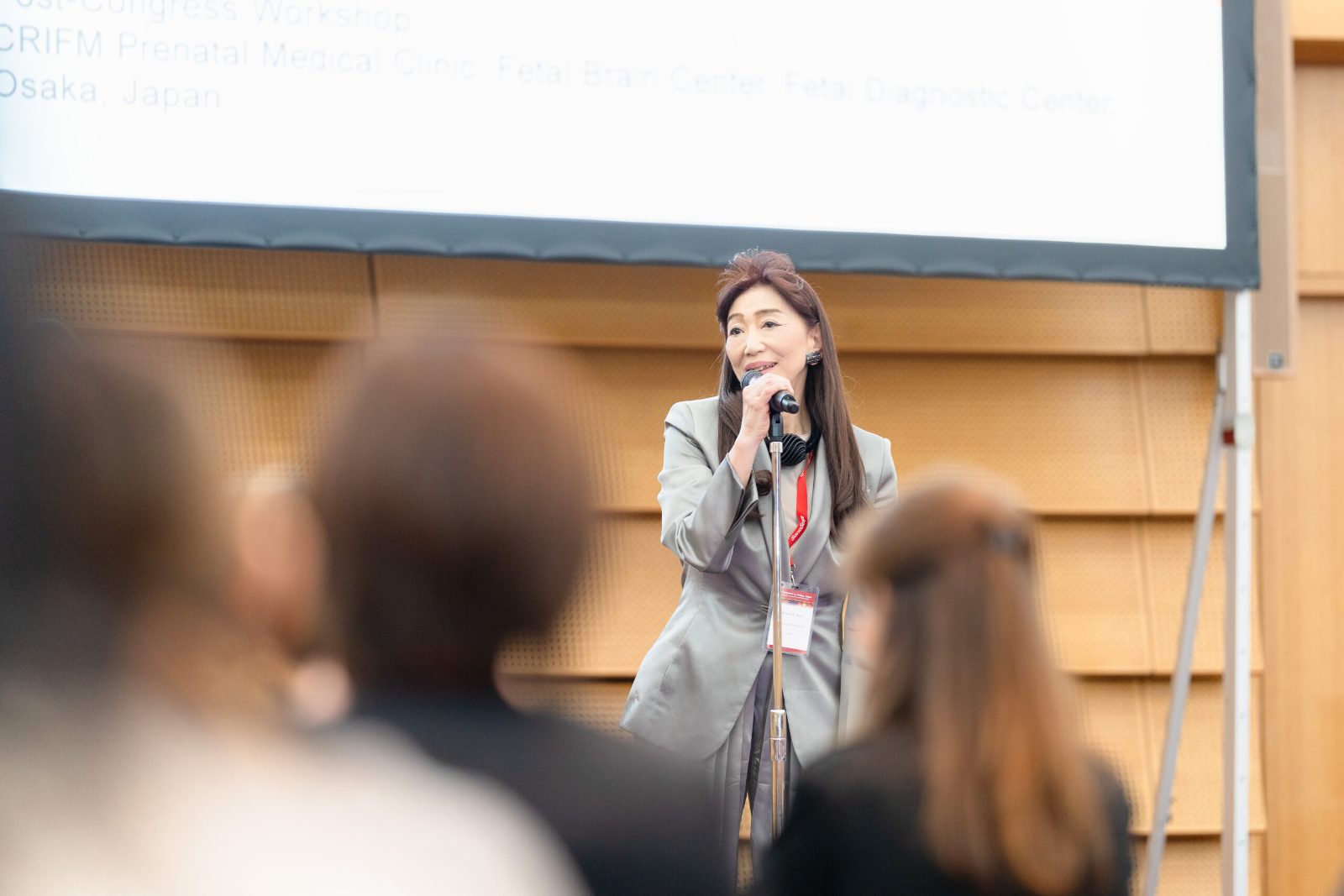
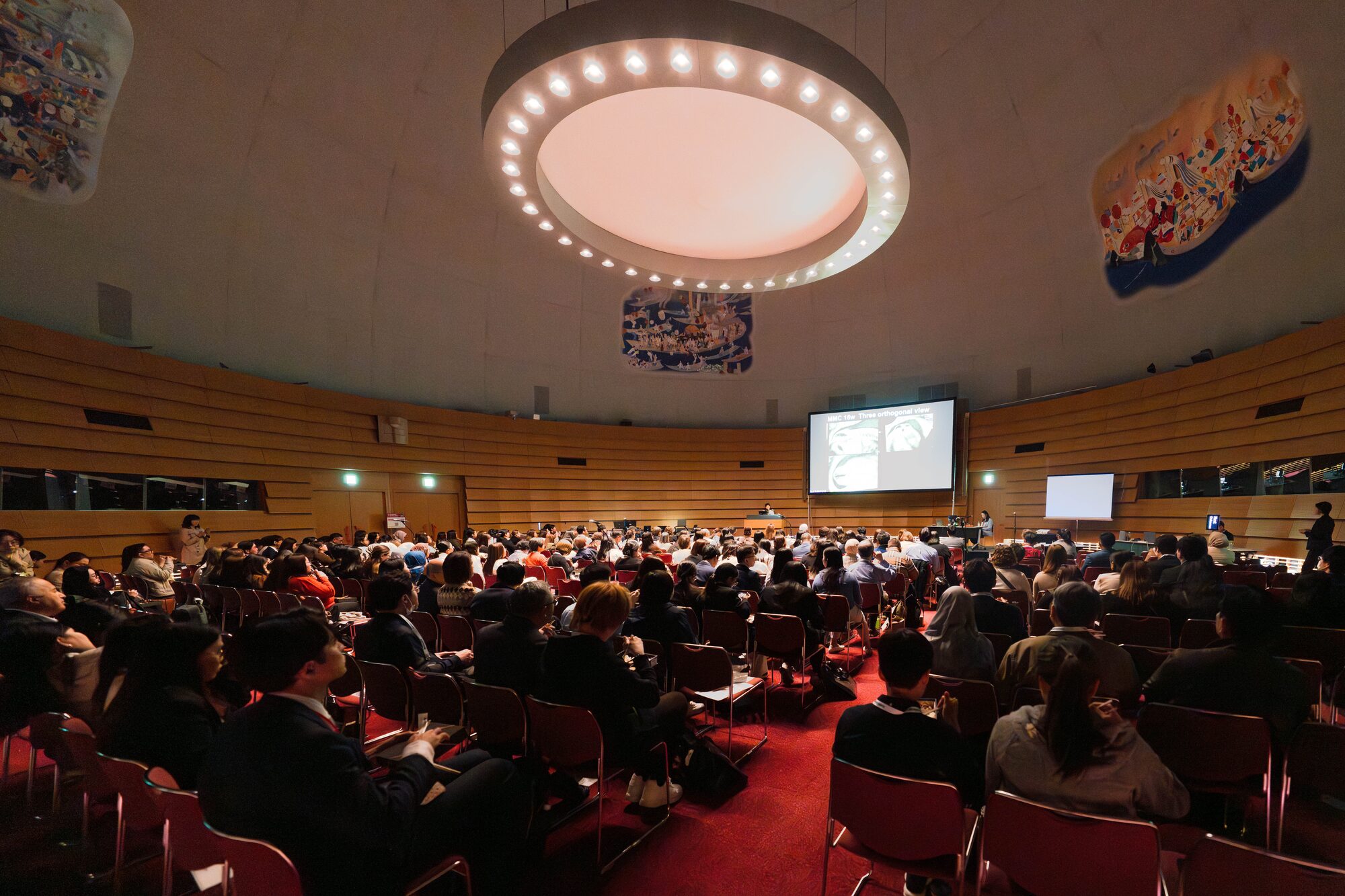
Asia Pacific Congress in Maternal Fetal Medicine 2025
Osaka International Convention Center
Healthcare Communication
Over 20 years in public relations, working within healthcare institutions.
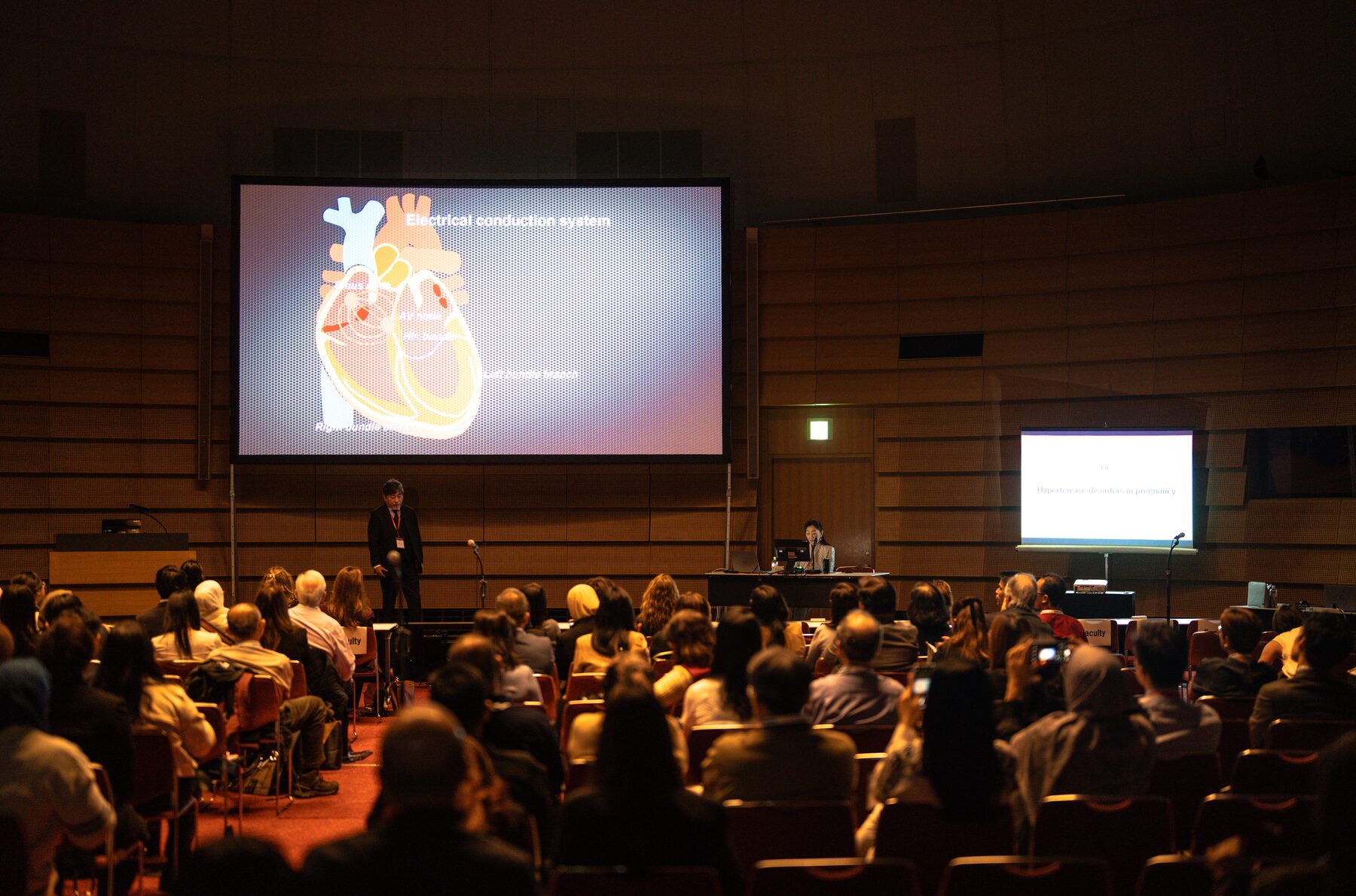
Asia Pacific Congress in Maternal Fetal Medicine 2025Osaka International Convention Center · Photography & documentation
Perspective
University hospitals, general hospitals, diagnostic imaging and radiotherapy facilities, and clinics. For more than 20 years, I have worked in communications from within healthcare institutions.
Healthcare communications involves more than publishing information. What role does an institution play in its community, and how should its distinctive strengths and value be communicated? I see this as work that also takes account of its management and organizational direction.
My work has spanned communications strategy, shaping hospital brand identity, establishing and running communications functions, collaboration with regional healthcare providers, and hands-on production and communication. With an understanding of conditions on the ground, I have considered the overall direction and carried out the work required.
In Practice
An example from the radiology department of a healthcare institution where I previously worked.
PET-CT and SPECT examinations had relied mainly on internal referrals. With that demand limited, I personally visited local medical institutions to develop external referrals, particularly for PET-CT.
In discussion with the radiology department head, we gradually expanded capacity from about three examinations a day to about eight. I also led a review of booking procedures, coordinated with nurses and technologists, and arranged visits by doctors to referring institutions.
Demand from both inside and outside the hospital increased, and the department became profitable. These efforts led to the creation of a hospital-wide PR office. I led its establishment and subsequently managed public relations across the hospital.
Information DesignFrom the patient’s perspective
When rebuilding a hospital website some years ago, I reconsidered an information structure centred on department names and the hospital’s organization.
For someone with a headache, is internal medicine, neurology or neurosurgery the appropriate department? It is not always easy for patients to decide for themselves.
I planned and proposed a page that let people find where to seek care from their symptoms or physical concerns, and brought it into use. At the time, I had seen few hospital websites organized this way.
After launch, people found the page through general searches that did not include the hospital’s name. Search traffic continued even during periods without major updates. Over many years, the page attracted more visits than many other pages on the site and also led readers to the relevant department pages.
Television programmes also approached doctors about appearances, creating new contact between the hospital and wider society through information on the website.
Alongside organizing what the hospital wants to communicate,start with what patients want to know.
Current Advisory
Organizational Advisor / Communications Advisor
Today, as an organizational and communications advisor, I consider communications strategy, brand direction and how communication is organized, taking account of each institution’s management policies, organizational circumstances and the voices of its staff.
Photography and film production form one part of that work, undertaken according to its purpose.
Aijinkai is a social medical corporation operating primarily in Osaka and Hyogo, including Takatsuki General Hospital, Chibune Hospital and Akashi Medical Center. Its six acute-care and rehabilitation hospitals form part of a wider group spanning nursing care, health screening and education, with approximately 6,600 staff.
About Aijinkai — official website ↗ Group scale: official corporate information, checked November 2026.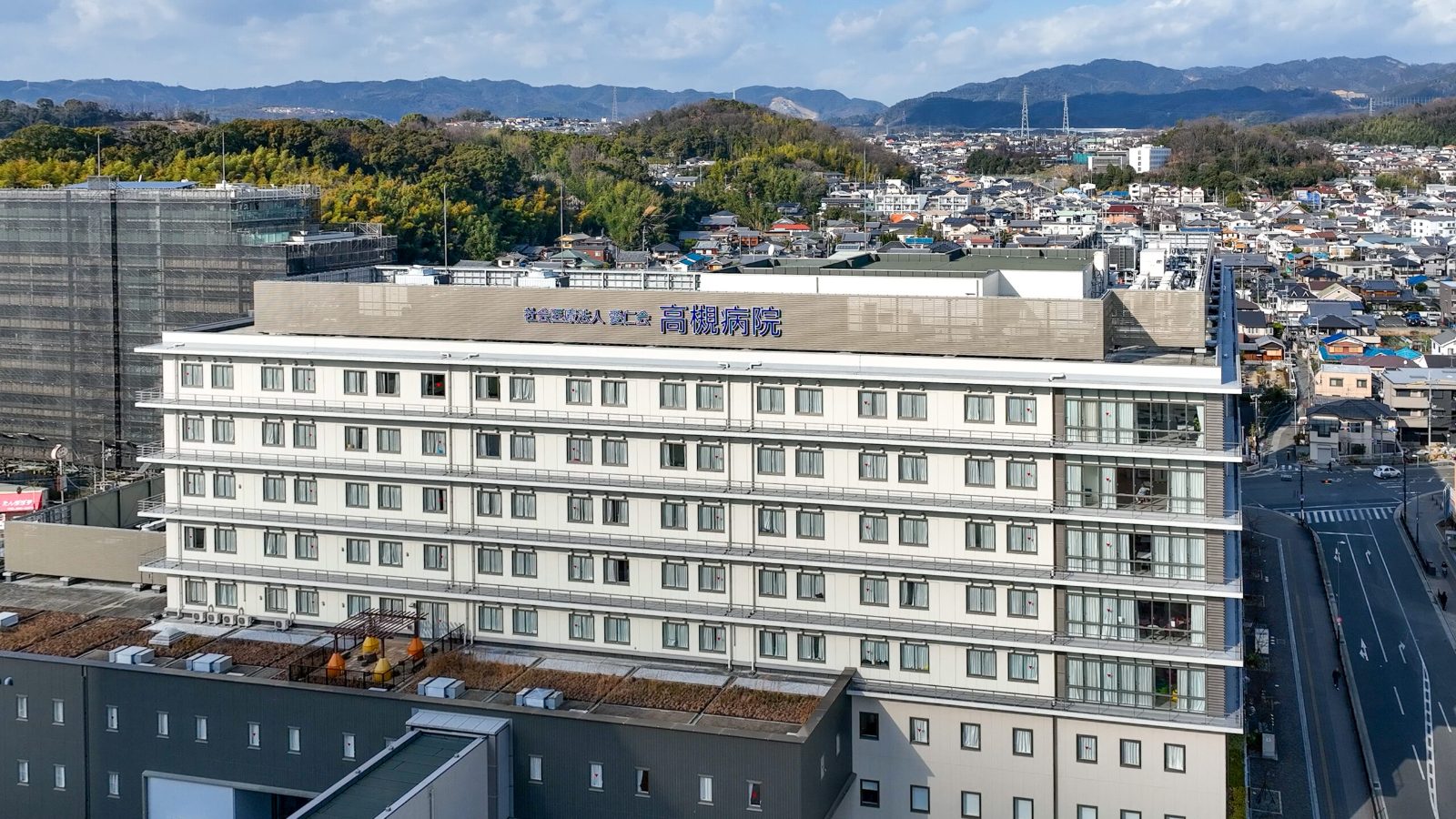
Photo Communication
The people who work in a hospital, the work particular to that institution, and its daily practice. I approach photography and film as ways to help people understand healthcare settings. Who will see the images, and where, shapes both the photography and its use.
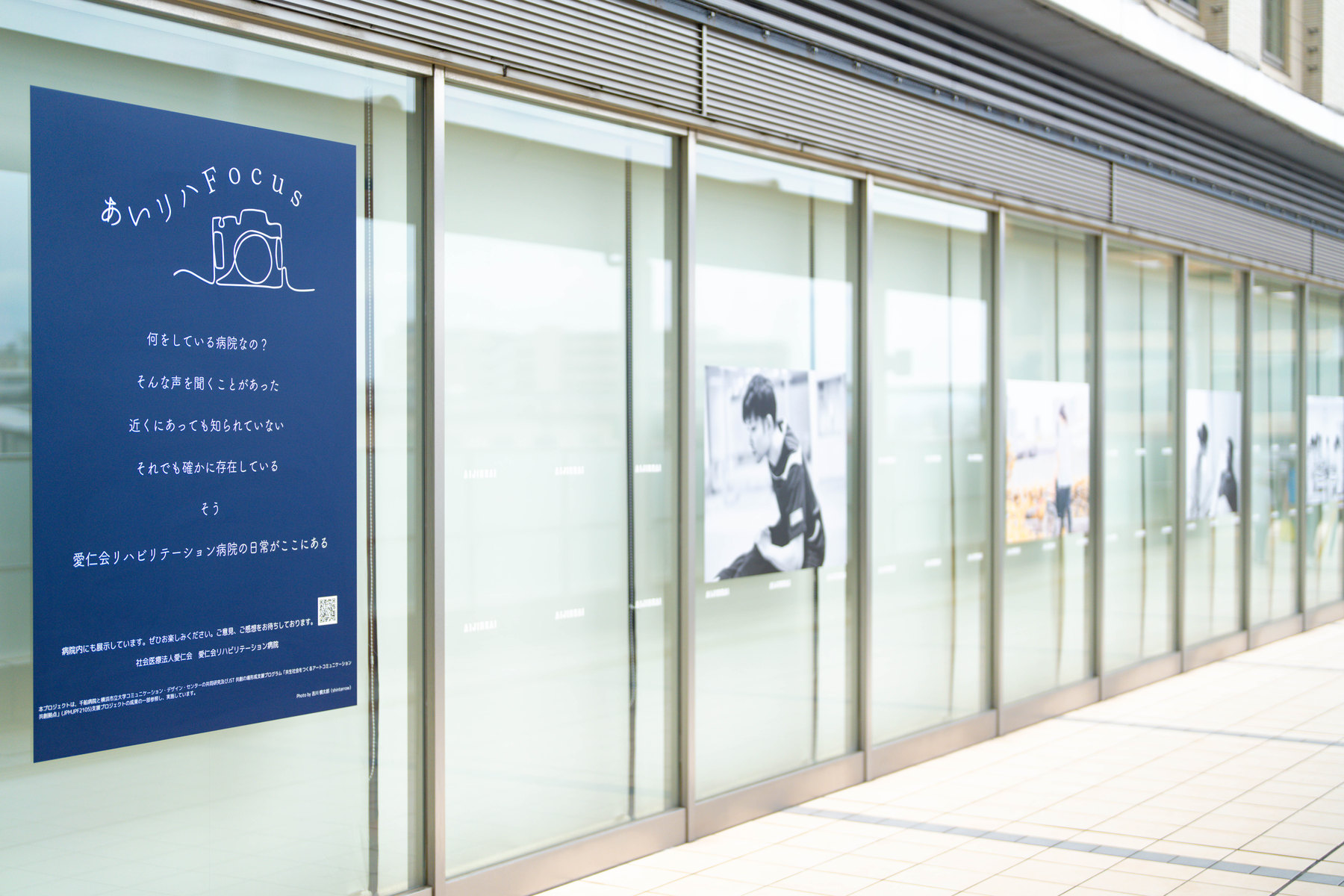
I photographed people working in medical care and rehabilitation, and took part in an initiative that shared their daily work with patients and local residents through displays on station-facing windows and within the hospital.
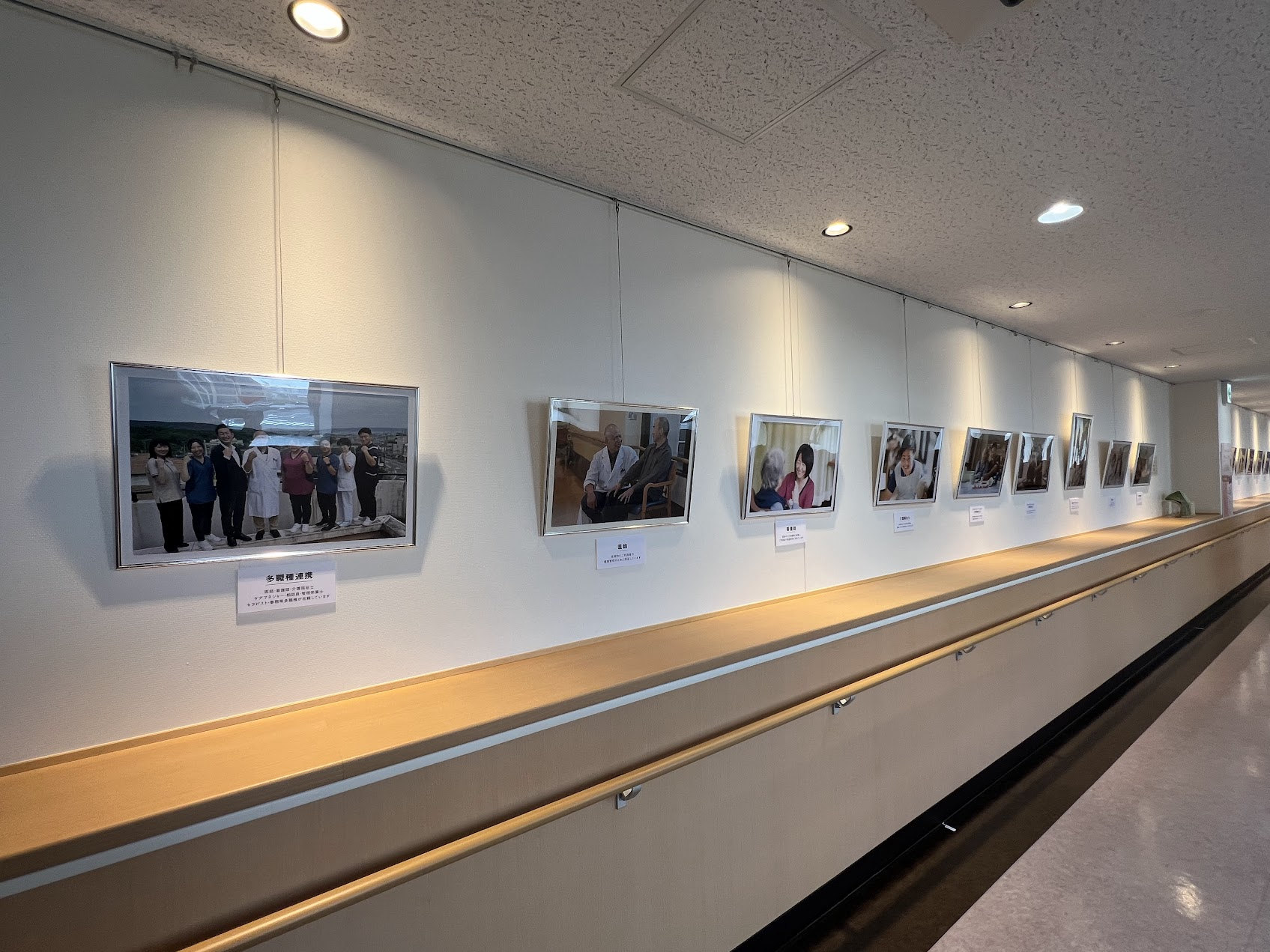
The photographs in the corridor linking the two hospitals introduce the people who work there and their day-to-day work.
Ai-Reha Focus and the connecting-corridor exhibition are separate projects.
Conferences & Seminars
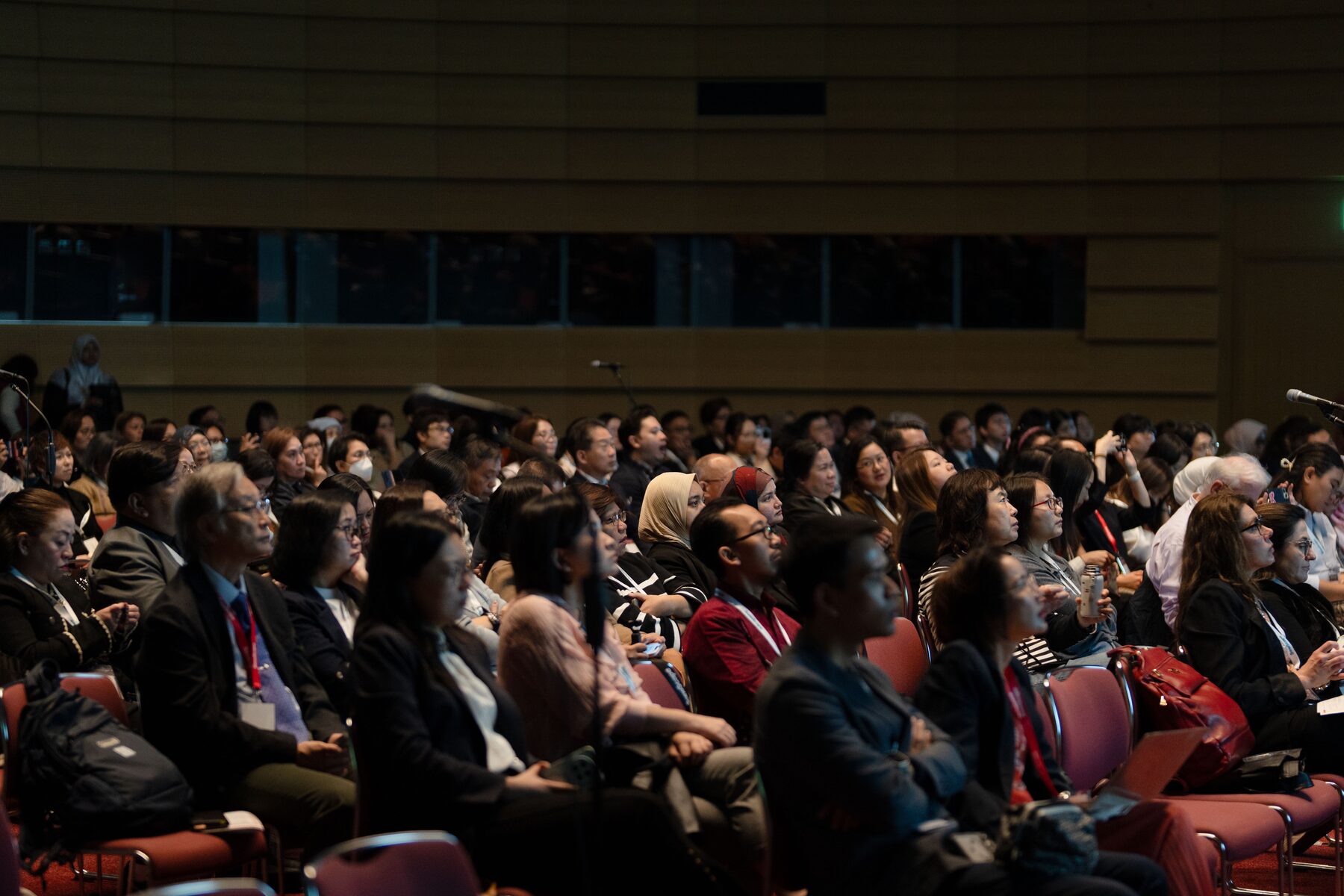
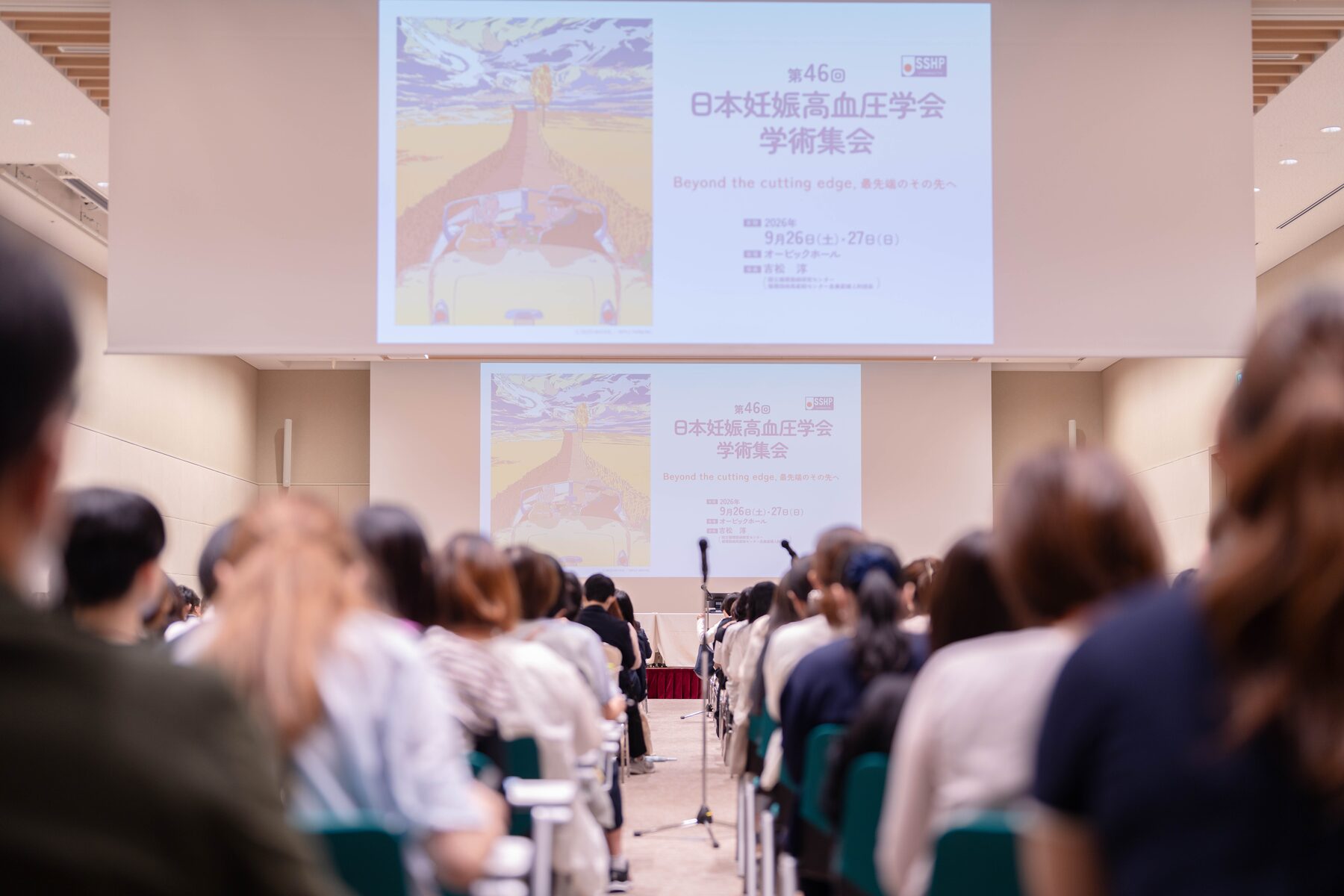
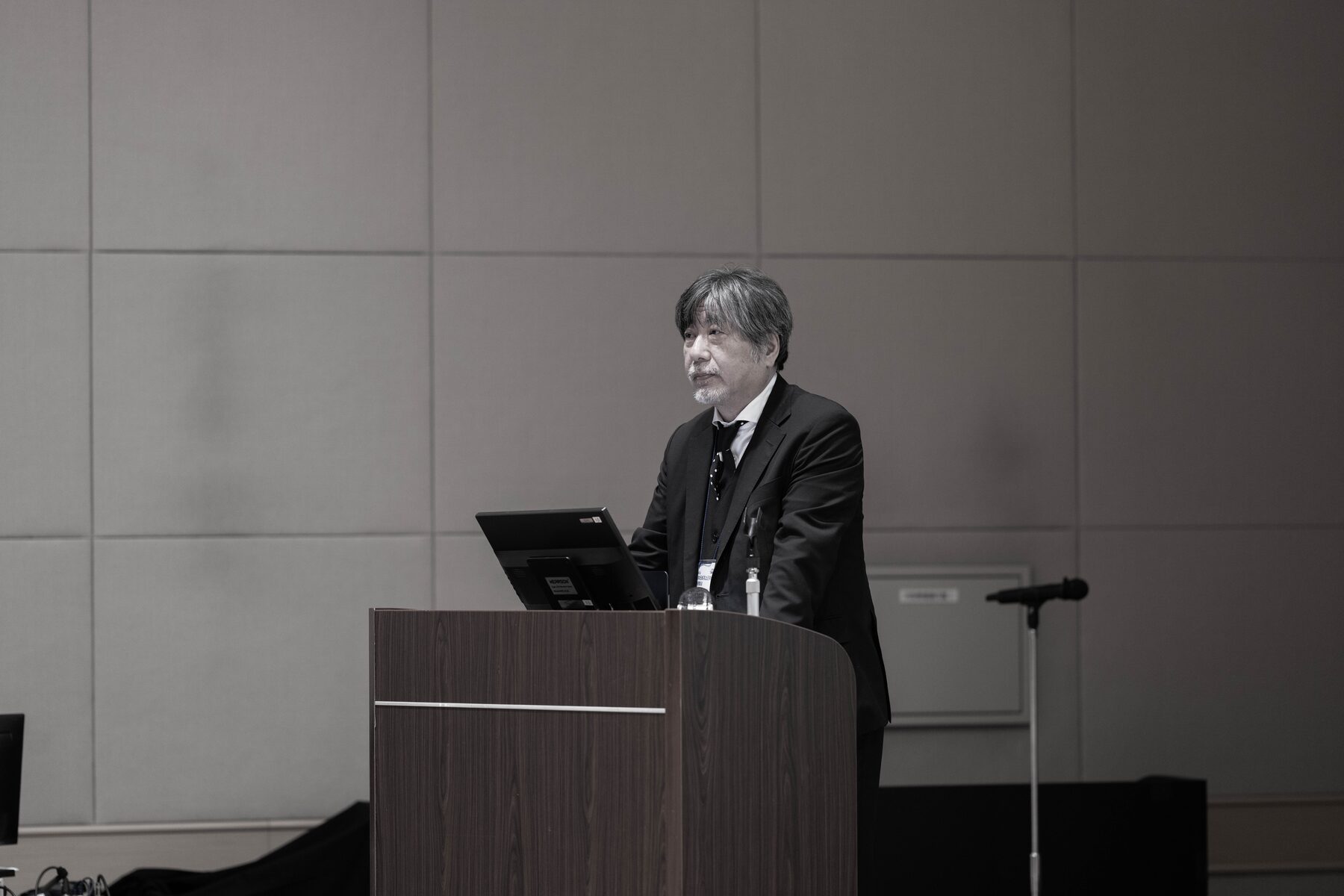
I also photograph medical congresses, research meetings and lectures. Speakers’ expressions, presentations, discussion and the venue become records for reports, public communications and future announcements. Light and distance also help convey the atmosphere of the occasion.
Osaka International Convention Center
Obic Hall
Background
Practical experience, informed by an understanding of management and organizations.
After more than 20 years of hands-on public relations work in healthcare institutions, I now work as an advisor. Building on that experience, I studied management and healthcare at graduate school. This background informs how I consider communication alongside organizational circumstances and day-to-day operations.
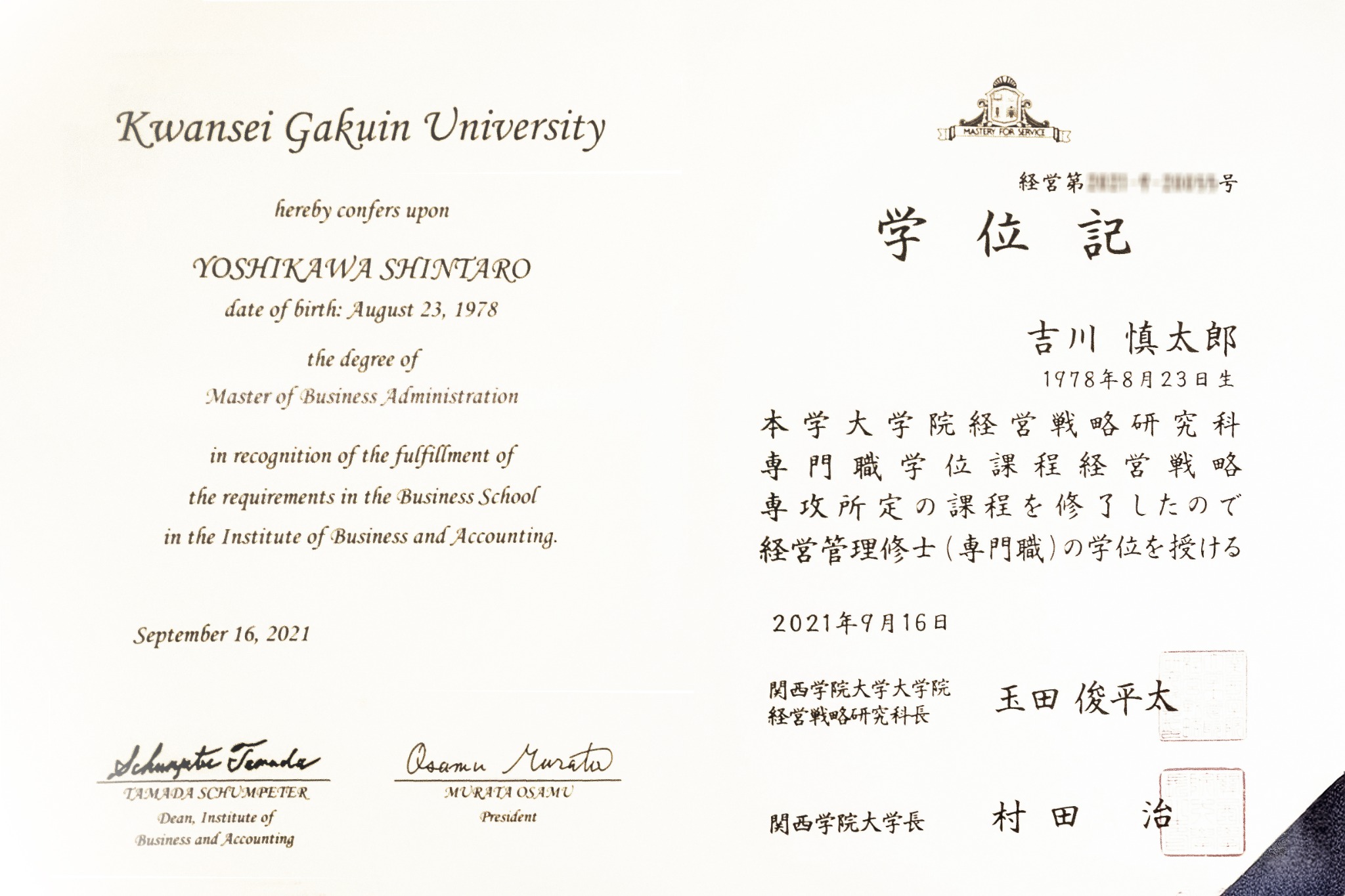
Kwansei Gakuin University · Professional Graduate School
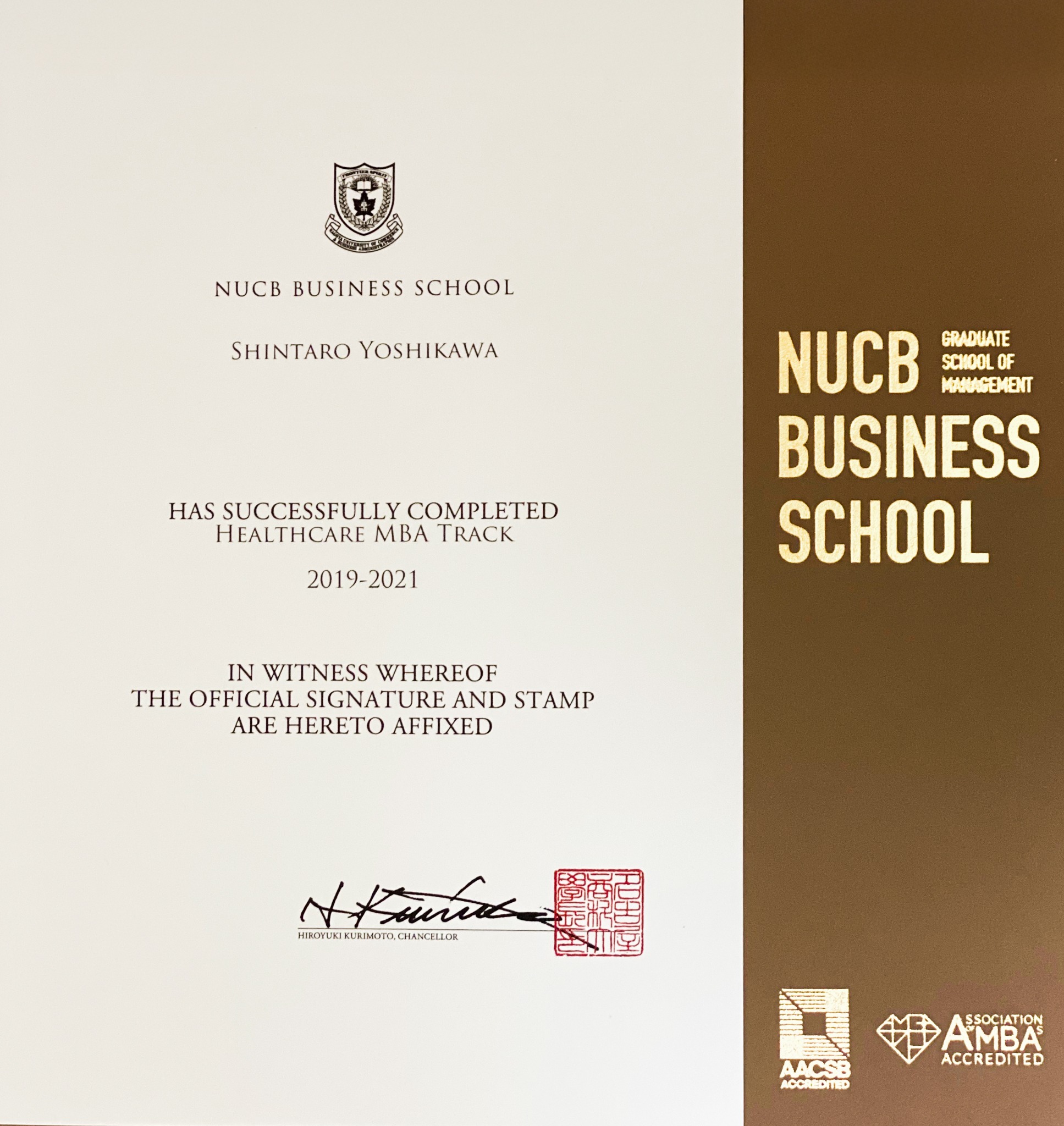
NUCB Business School
Contact
For hospital executives, directors, administrators and PR staff. We can consider your approach to communication in light of your institution’s particular situation.
You do not need a fully defined brief. To begin, tell me what is on your mind.
Discuss healthcare communication